

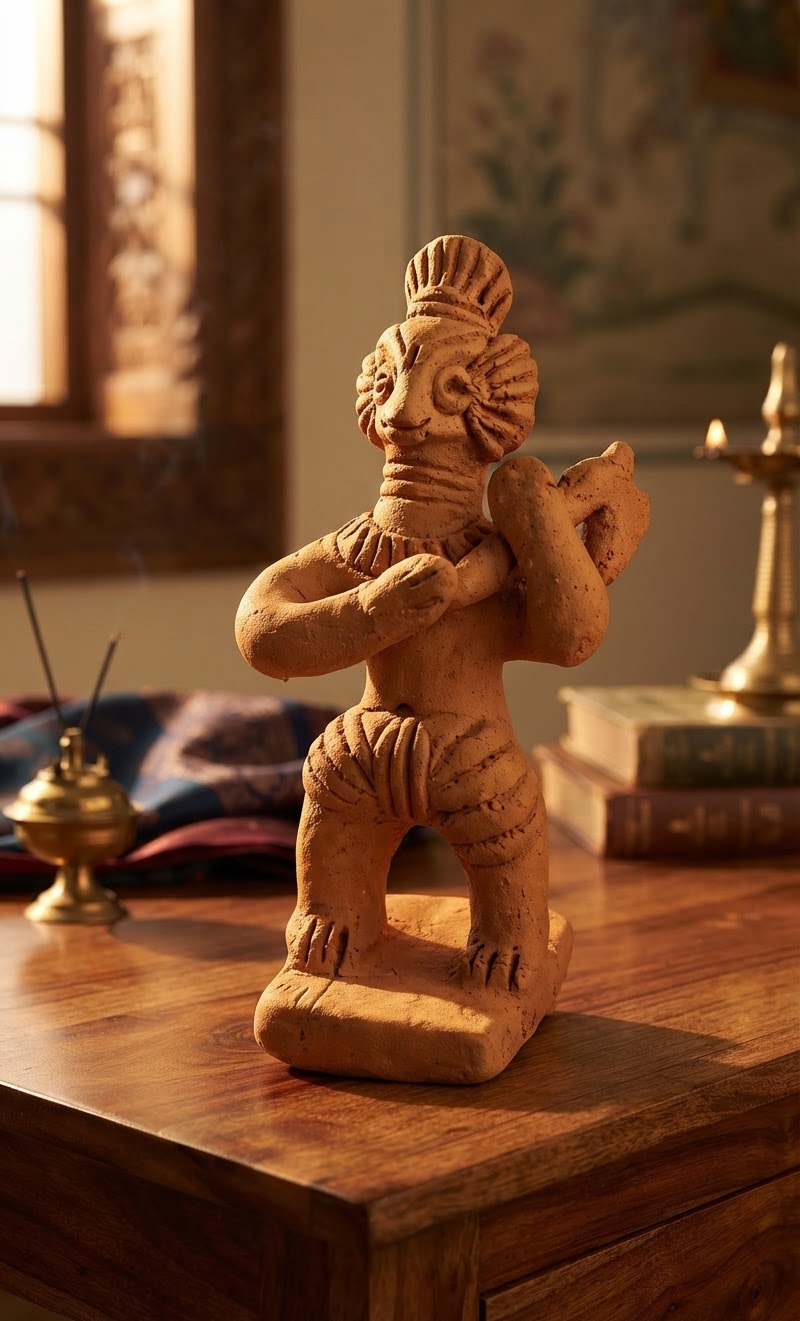
A handful of Kumhar families make Molela’s votive terracotta plaques — a craft whose survival depends on markets beyond the shrine season.
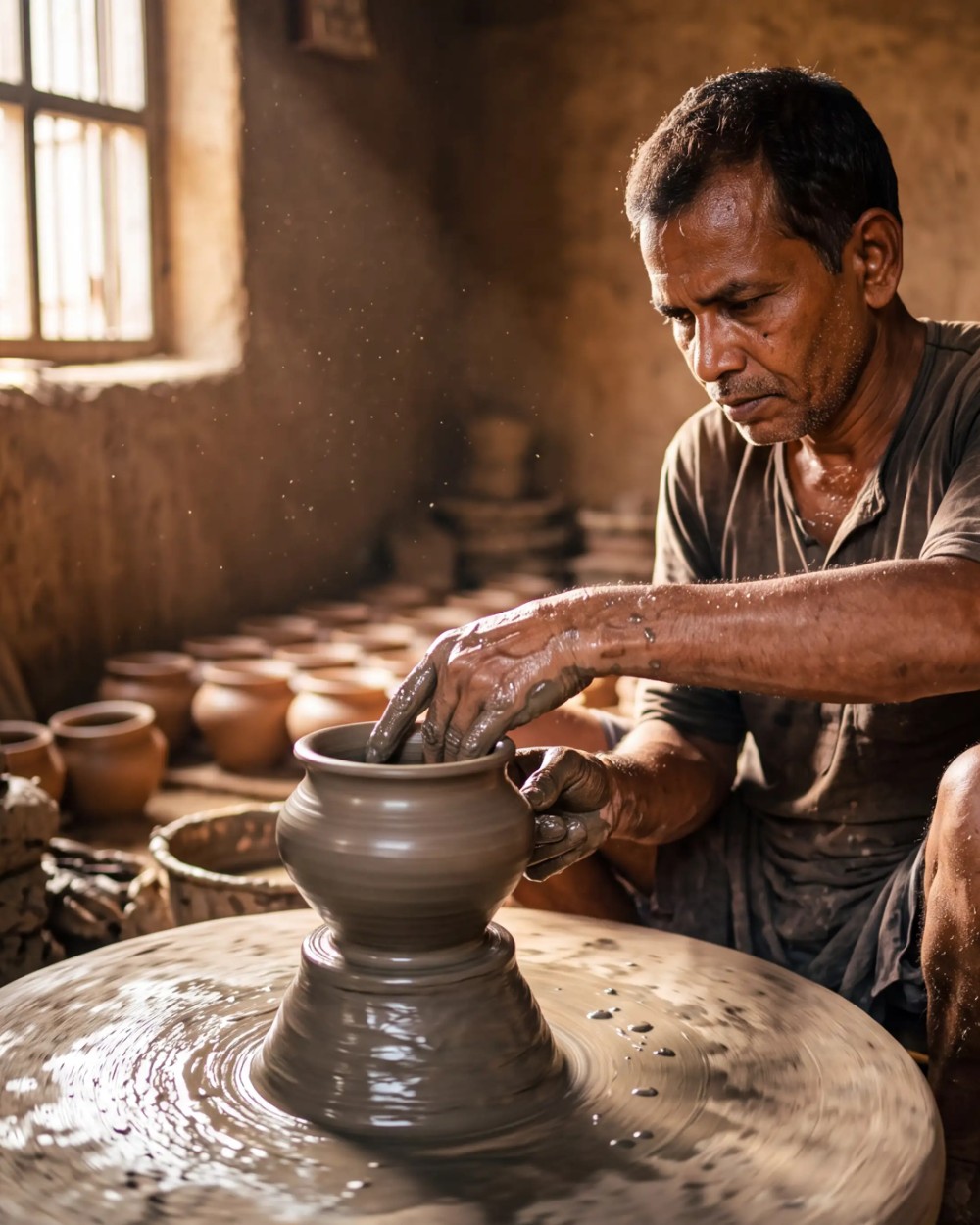
The everyday potters of the Kaveri delta, displaced by steel and plastic — and what a functional terracotta order restores.
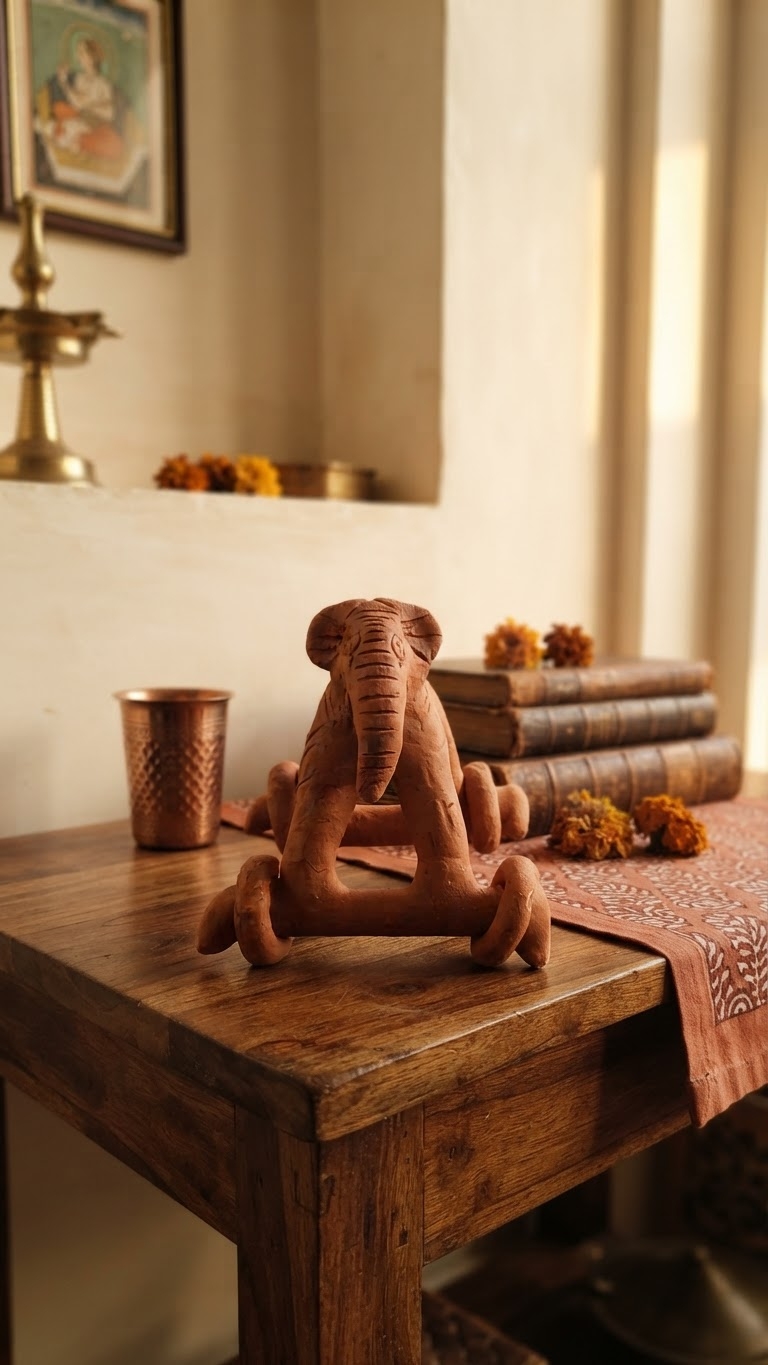
Panchmura’s Kumbhakar families fire Bankura’s famous horses and owls — living on festival peaks, needing year-round patrons.
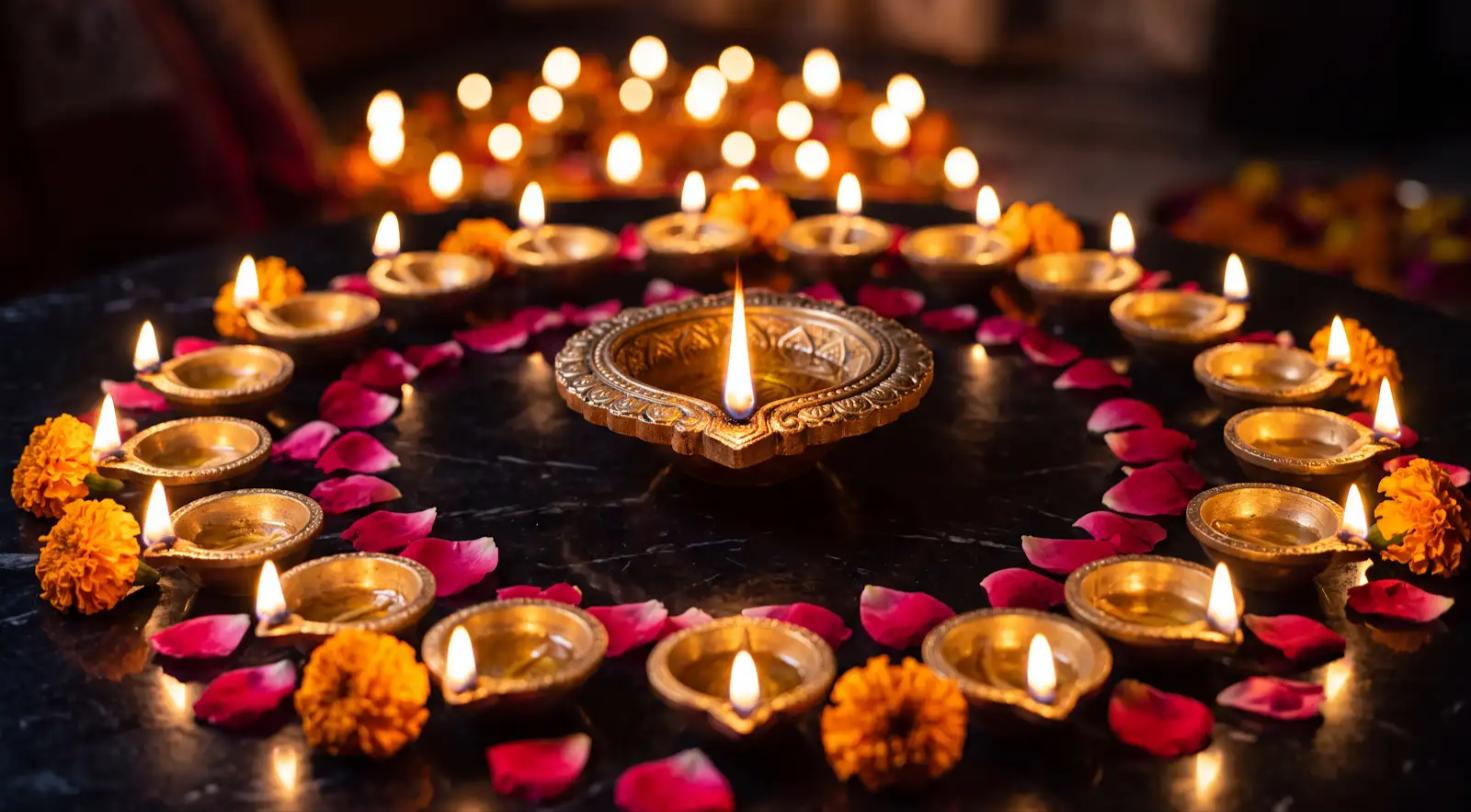
Piece-rate diya painting in family courtyards — where early festive orders and fair rates turn ten thousand lamps into certainty.
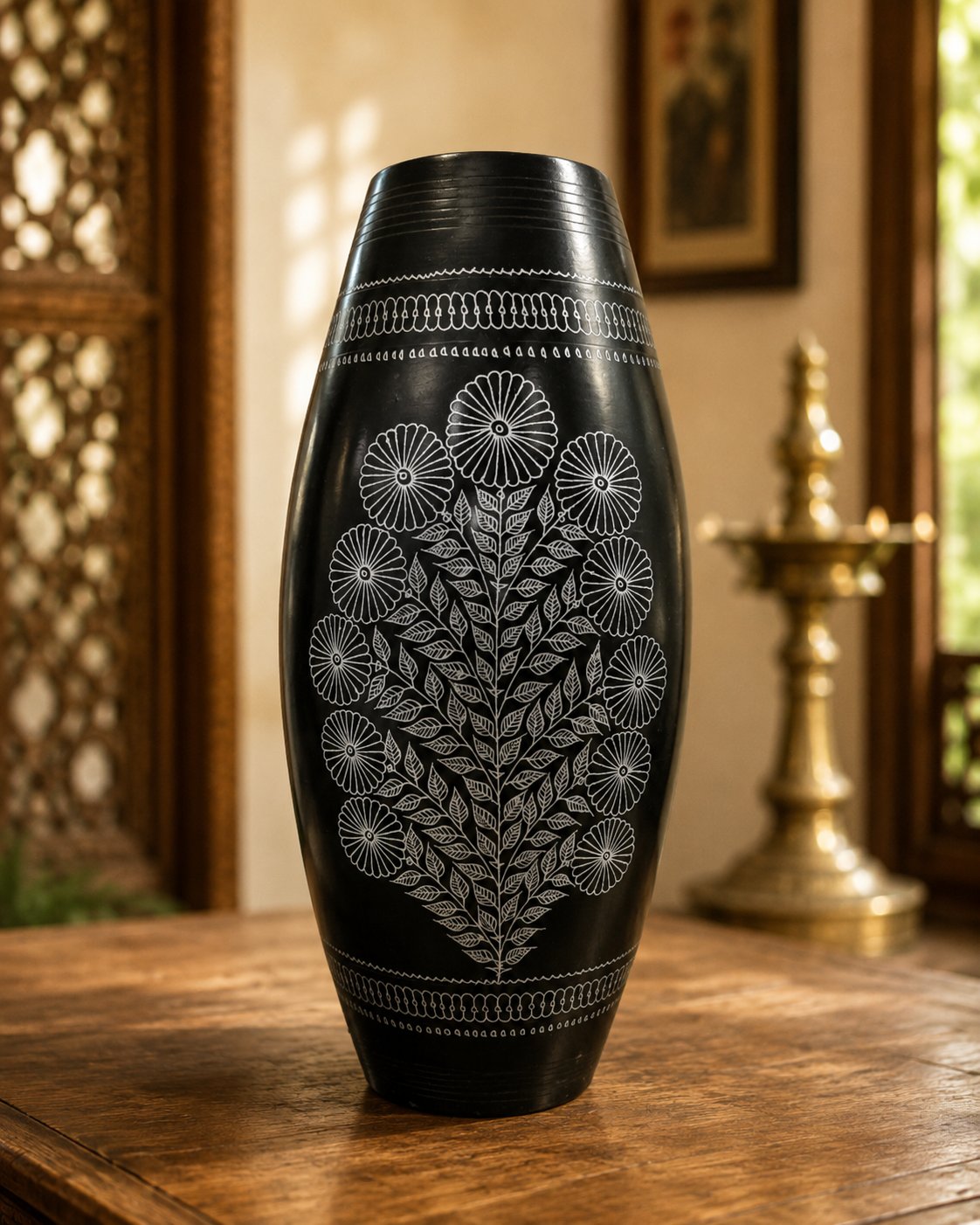
The second-stage engravers of Nizamabad’s black pottery — usually invisible behind the pot, named here as part of the payment.
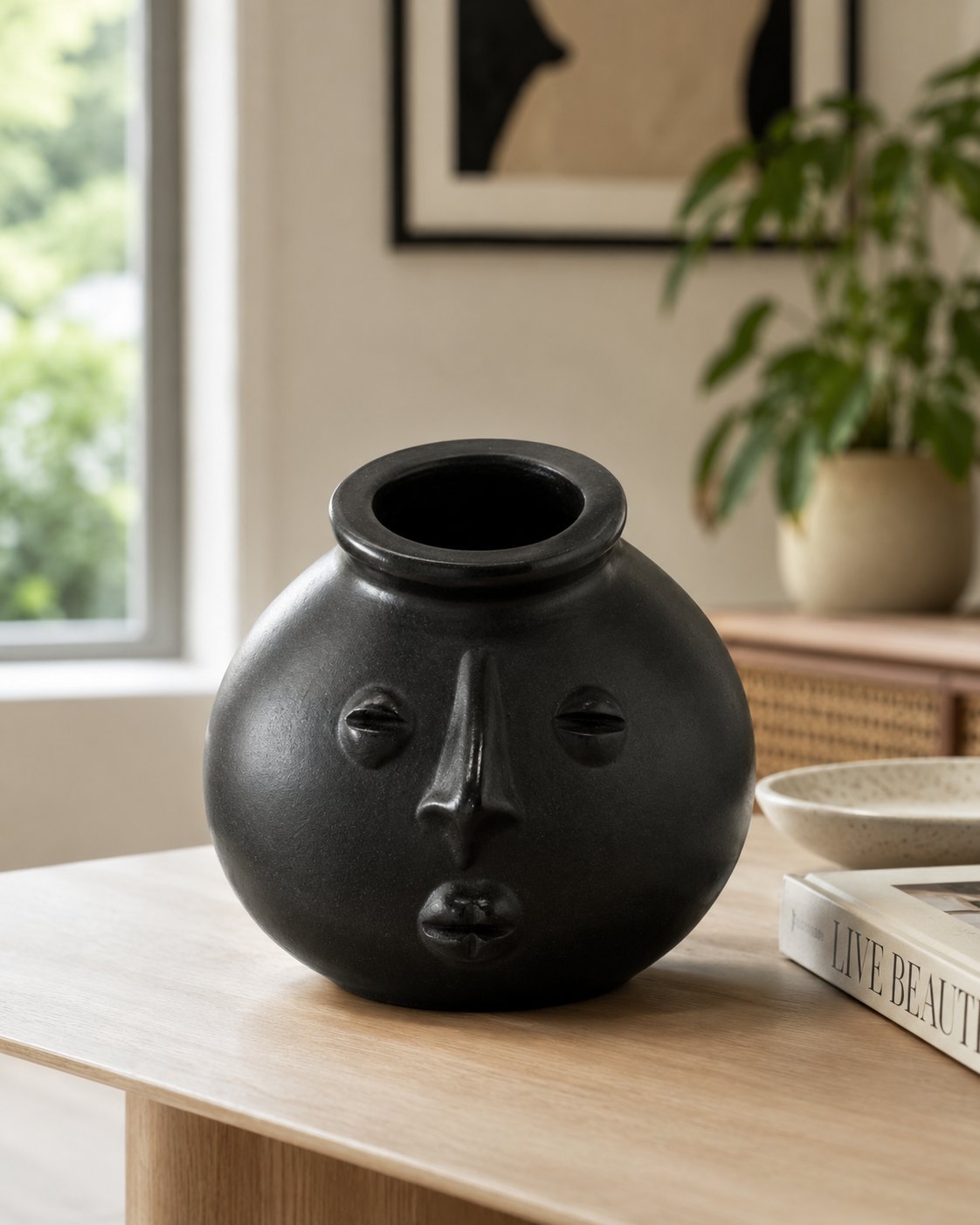
A GI-registered black-pottery cluster with shrinking kiln families — where demand will decide whether the smoke-firing generation has successors.
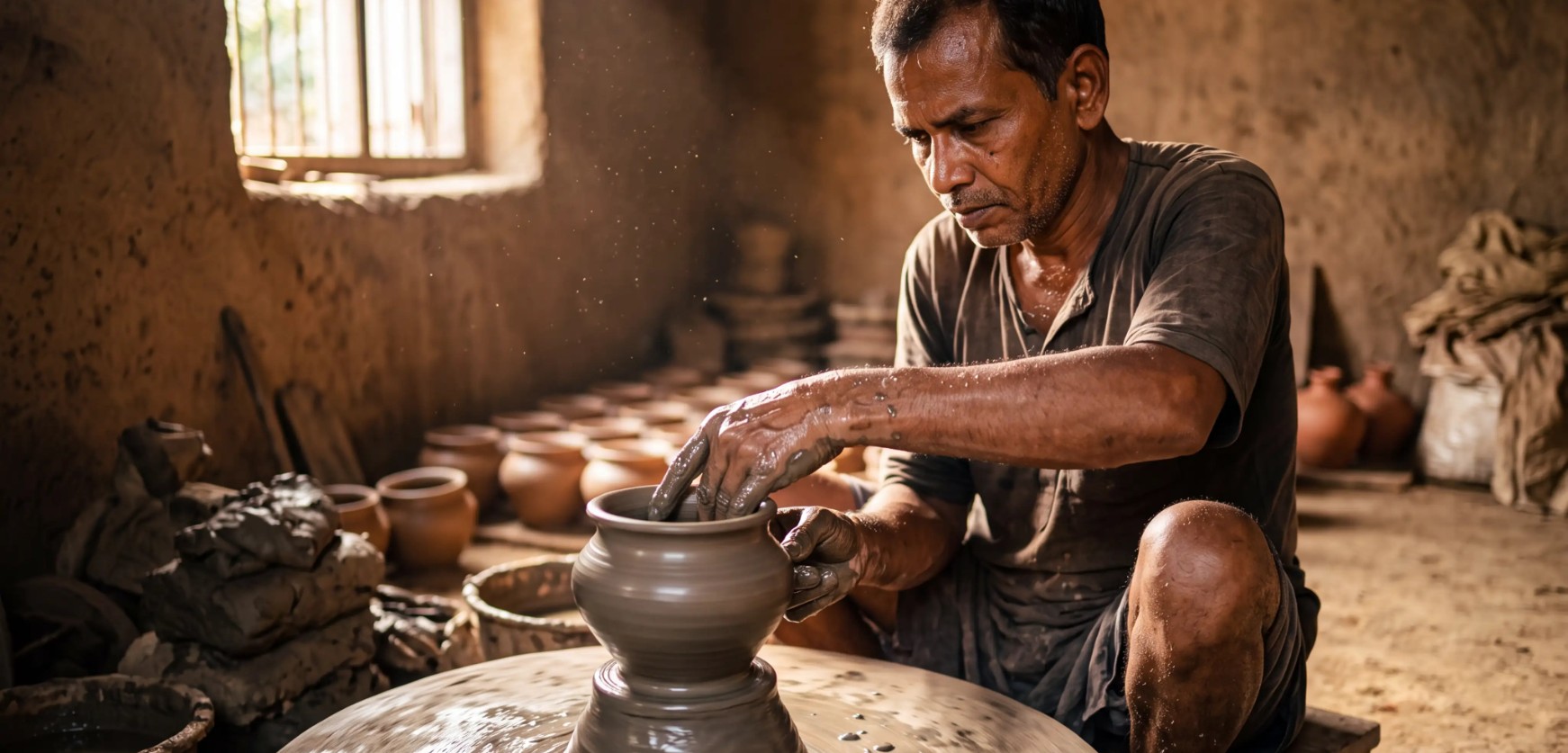
Kolkata’s idol-making quarter lives on boom-and-bust festival seasons — off-season commissions keep the studios, and the rent, alive.
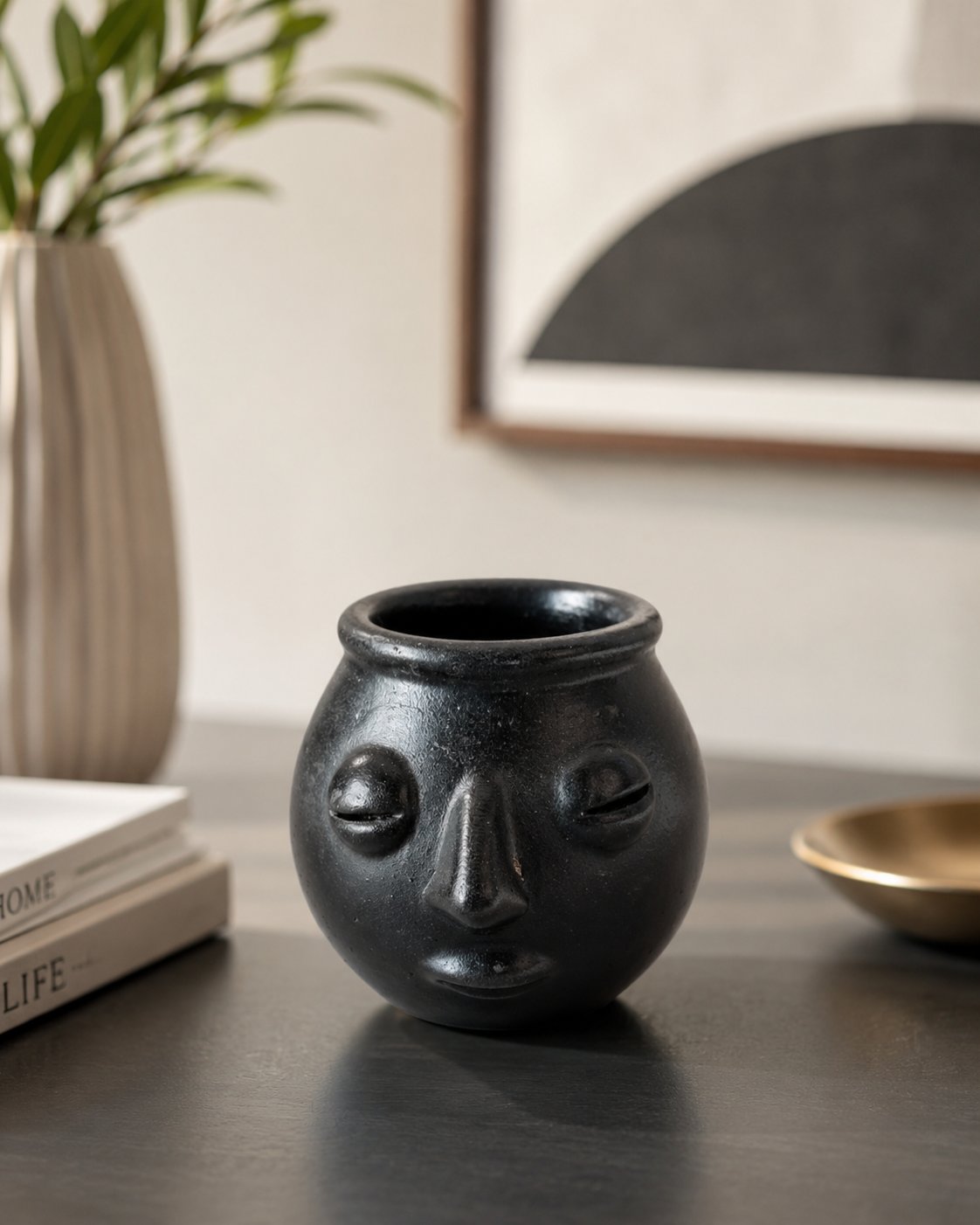
Pit-kiln mastery inside the informal economy — undocumented, uncounted, and kept working by steady orders and named credit.
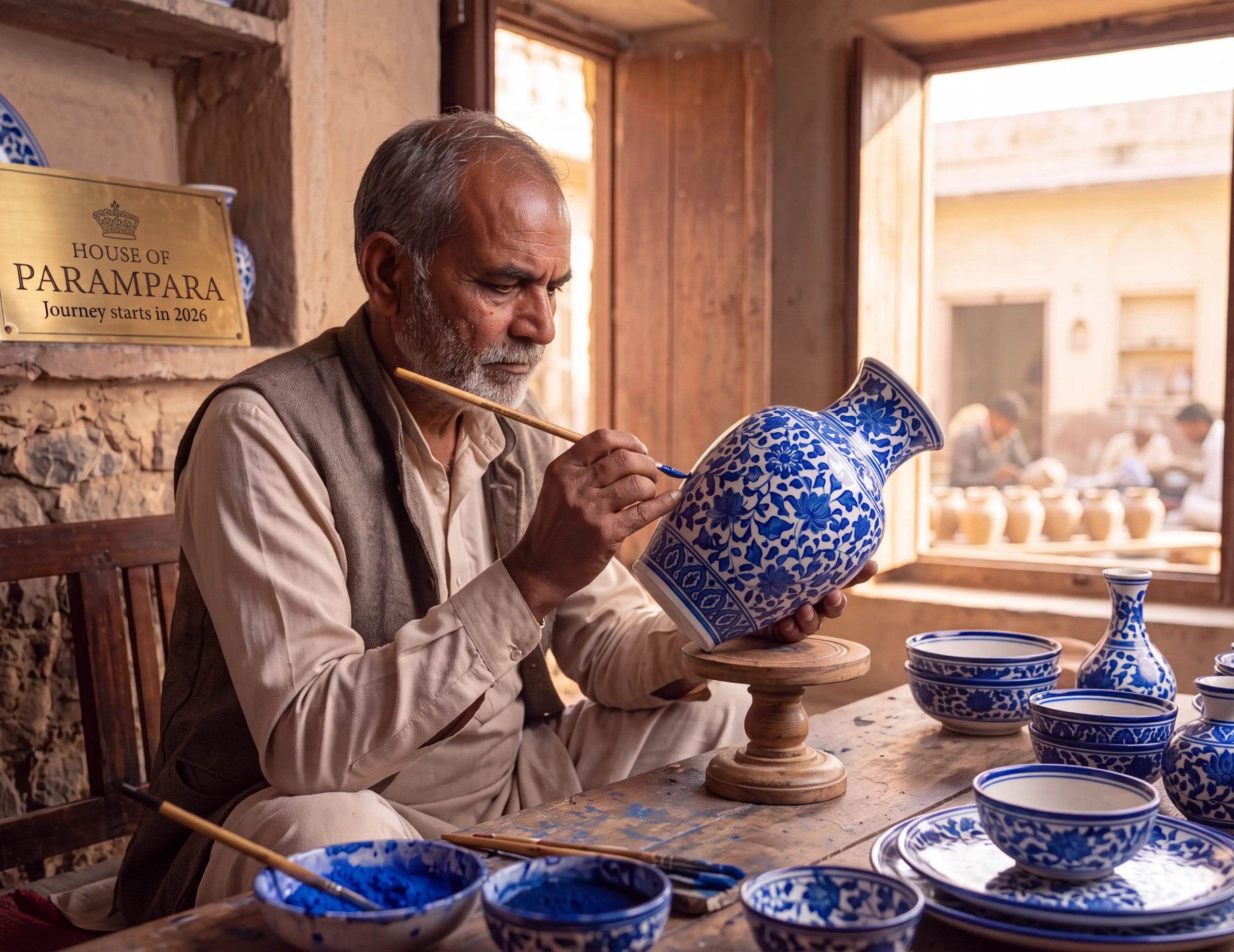
Jaipur’s clay-less quartz pottery was revived from near-extinction — a handful of master units now carry it, one premium order at a time.
We value your privacy
We use essential cookies to run this site. With your permission we would also use analytics cookies to understand how the site is used. Nothing non-essential is set until you agree. Read our Privacy Policy.
Strictly necessary
Required for the site to function — security, load balancing and remembering this choice. These cannot be switched off.
Statistics
Google Analytics, so we can see which collections and artisan stories people read. Data is aggregated and never used to identify you.
Preferences
Remembers choices such as language or region so you do not have to set them again.
Marketing
Used to measure campaigns and show relevant content. We do not currently run advertising, so this stays off unless you enable it.